
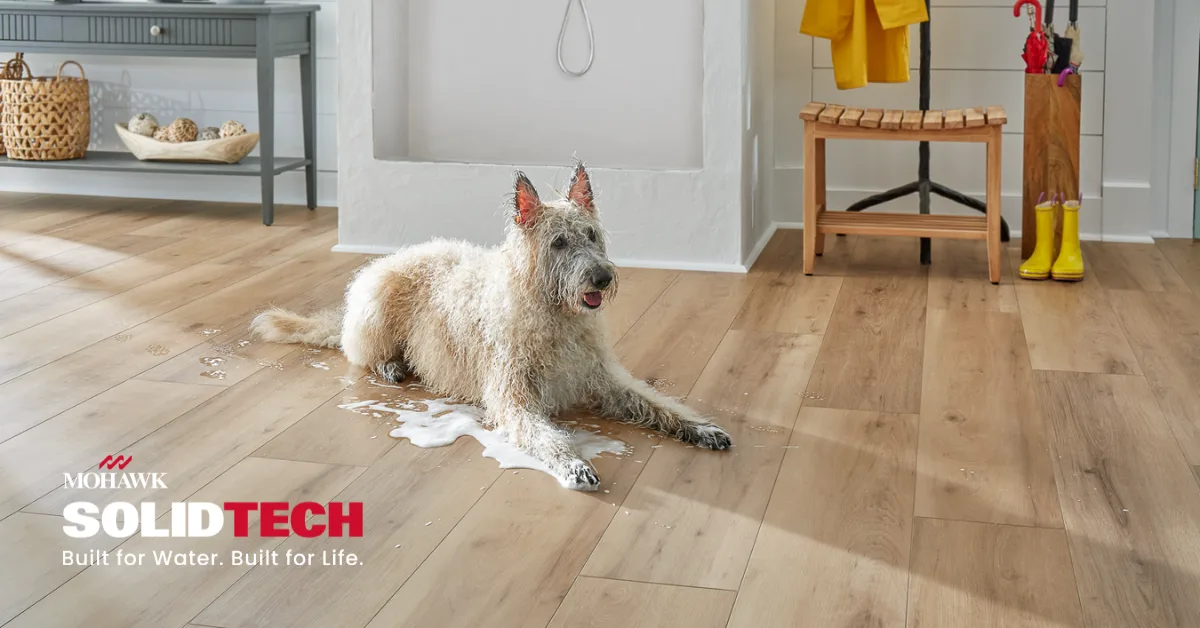
Waterproof, Durable & Stunningly Realistic
Luxury Vinyl Flooring in Maui
Island life demands flooring that can handle sand, salt air, moisture, and bare feet — without sacrificing beauty. Our flooring collection is curated specifically for Hawaii's climate, offering durable luxury vinyl, character-rich hardwood, and high-performance laminate options for every room.
Get a Free QuoteWhat We Offer
Luxury Vinyl Plank (LVP)
100% waterproof, ultra-durable, and stunningly realistic — the ideal choice for island homes and high-traffic areas.
Luxury Vinyl Tile (LVT)
The look of natural stone or ceramic with the warmth and comfort of vinyl underfoot.
Stair Treads & Transitions
Seamless, professional transitions between rooms and stair systems for a polished finish.
Maui Selection Guide
Choosing Luxury Vinyl Flooring for a Maui Home
Luxury vinyl is a practical starting point when a room needs the appearance of wood or stone with simpler day-to-day care. The first decision is not color; it is how the floor must perform. Note which rooms connect, where wet shoes or sand enter, whether pets use the space, and how much direct sun reaches the floor. Those details help narrow the construction, surface texture, plank size, and tone before visual choices take over.
LVP uses plank proportions and wood visuals, while LVT is suited to tile and stone looks. Large planks can make an open plan feel continuous, but the scale and direction should work with doorways, hallways, and fixed cabinetry. A highly varied pattern can add movement; a quieter grain lets cabinets, counters, and furniture lead. Samples should be viewed flat on the floor in both daylight and evening light because color and sheen can shift substantially.
Selection Tradeoffs to Consider
Vinyl vs. natural wood
Vinyl prioritizes moisture resistance and straightforward maintenance. Hardwood provides genuine wood character and can develop a patina, but it asks for more careful moisture control.
Lighter vs. deeper tones
Light floors can make sand and dust less noticeable and keep a room visually open. Darker floors create contrast, while often showing lint, salt residue, or surface marks more readily.
Texture and bevels
Texture and defined edges strengthen the plank-by-plank wood effect. Smoother surfaces and subtle bevels create a quieter look and may be easier to wipe clean.
One floor or transitions
Continuous flooring can unify connected spaces. Purposeful transitions let each room use the material best suited to its moisture, comfort, and design needs.
From Consultation to a Final Plan
- Step 1
Define the rooms
The consultation starts with where the flooring will go, how those areas are used, and which adjoining finishes need to stay.
- Step 2
Compare samples
Options are narrowed by construction, wear needs, texture, plank scale, color variation, and the look you want across the home.
- Step 3
Confirm the site
Accurate measurements and a review of the existing floor help identify transitions, stairs, trim details, and preparation questions.
- Step 4
Finalize the plan
Product, layout direction, accessory pieces, preparation responsibilities, and installation scope should be clear before work begins.
Frequently Asked Questions
Is LVP the same as laminate?
No. Both can create a wood look, but they use different constructions. Compare the specific product's moisture guidance, surface feel, plank profile, and care instructions rather than treating the names as interchangeable.
Can luxury vinyl run through kitchens and bathrooms?
Many products are designed for moisture-prone rooms, but suitability depends on the selected product, the subfloor, perimeter details, and installation instructions. Review the exact room conditions during consultation.
Why view full planks instead of a small swatch?
A small sample cannot show the full grain repeat, color variation, bevel, or how multiple boards read together. Compare several pieces whenever possible.
See it in real spaces
Browse our gallery for inspiration on flooring designs.